We cannot add square metres, but we can change how a space is perceived. In small flats, the decisions that make the difference are often the invisible ones.
1. Keep the floor continuous
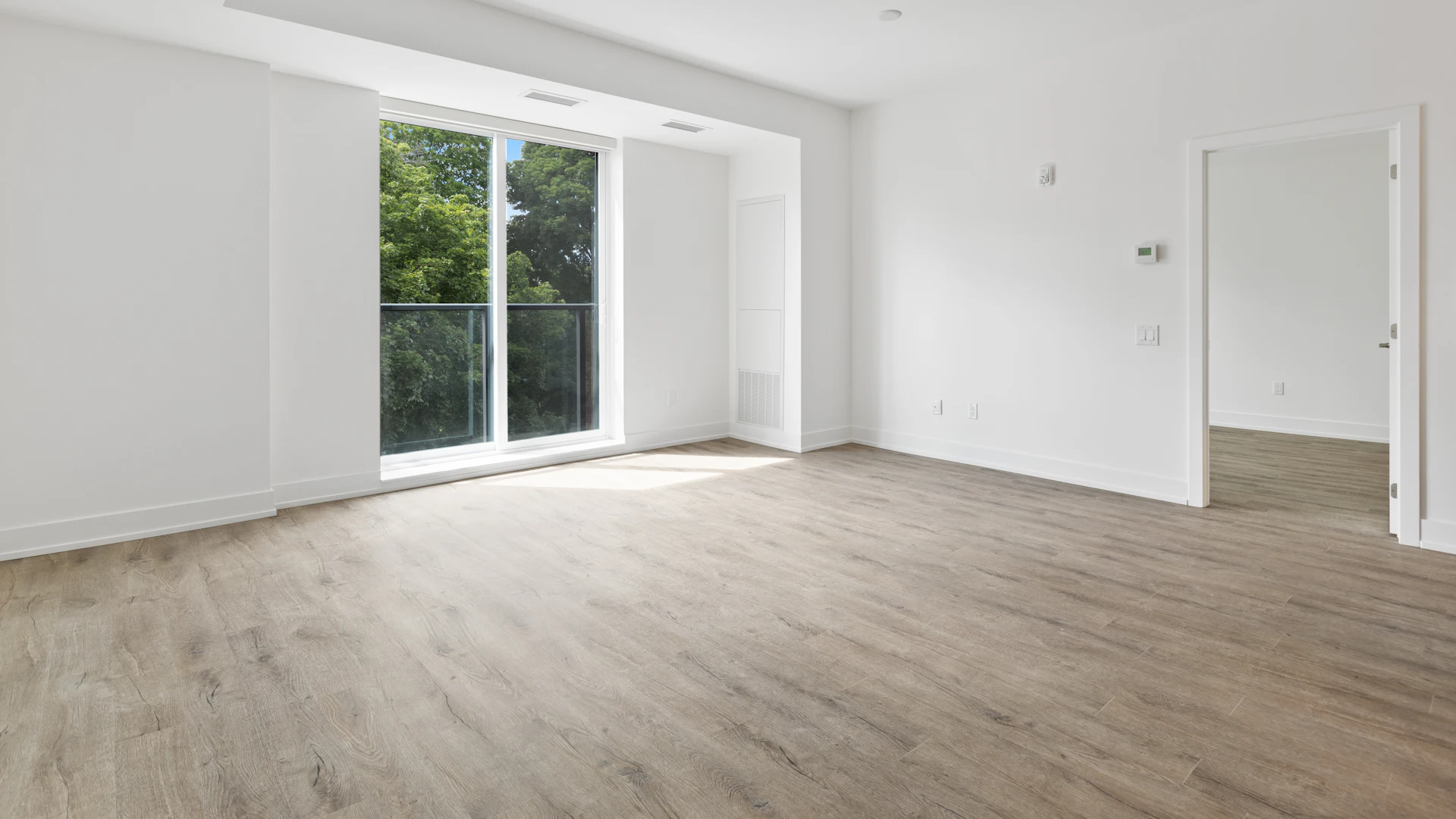
In a small flat, the eye measures space through the floor. When the same flooring runs uninterrupted from the living room to the kitchen and from the hallway to the bedroom, the whole home reads as one large surface. Changing materials, thresholds and colours in every room break it into small pieces.
If wet areas need a different material, choices with a similar tone and grain direction soften the transition.
2. Make storage part of the wall
Clutter is the biggest enemy of a small space, but the answer is smarter storage rather than more furniture. Full-height, handleless cabinets painted the same colour as the wall take up volume yet visually step back.
Above doors, niches and hallway walls are unused storage in most homes.
3. Layer the light
A single fitting in the middle of the ceiling leaves the corners dark, and dark corners make walls feel closer than they are. Supporting general light with hidden, indirect sources, work areas with local light and textured surfaces with accent light pushes the boundaries of the room back.
4. Choose furniture to measure
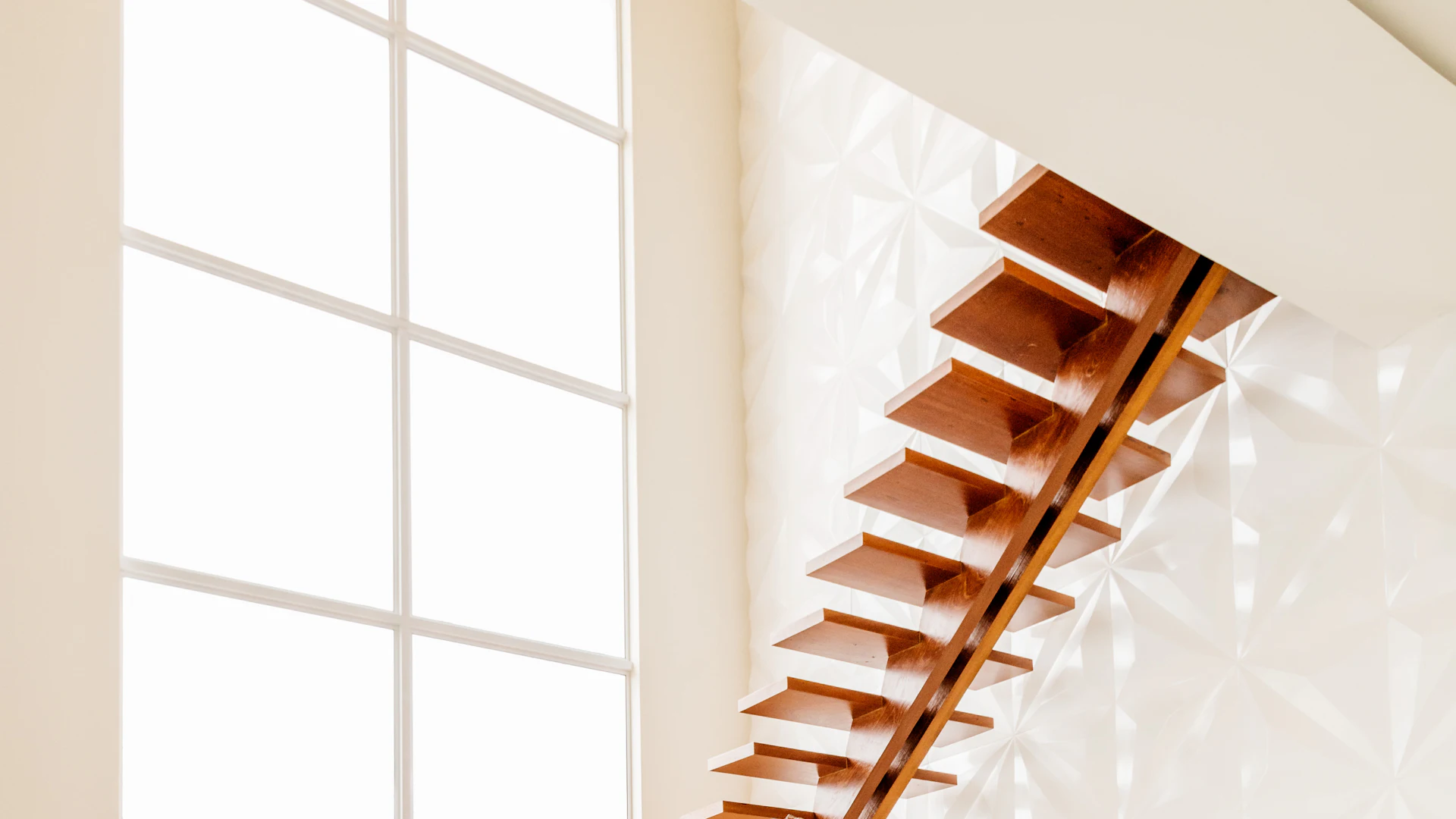
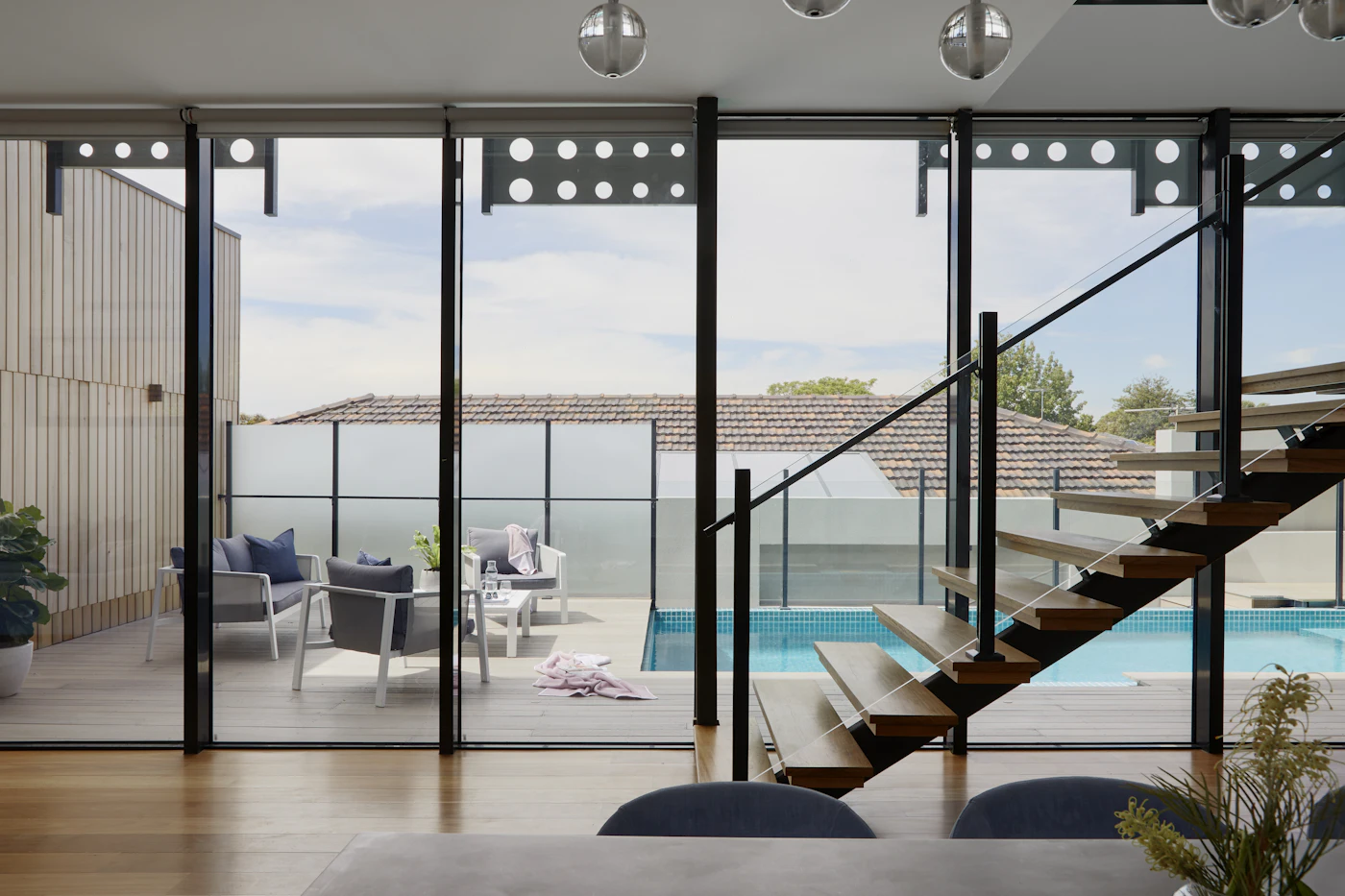
A large sofa can fill a room on its own. Furniture on visible legs, with the floor showing underneath, looks lighter.
Seat depths, table sizes and cabinet heights should be checked on the plan together with circulation space. A single made-to-measure piece often does the job of two off-the-shelf ones.
In a small space the problem is not the square metres, it is the number of decisions.
5. Narrow the colour palette
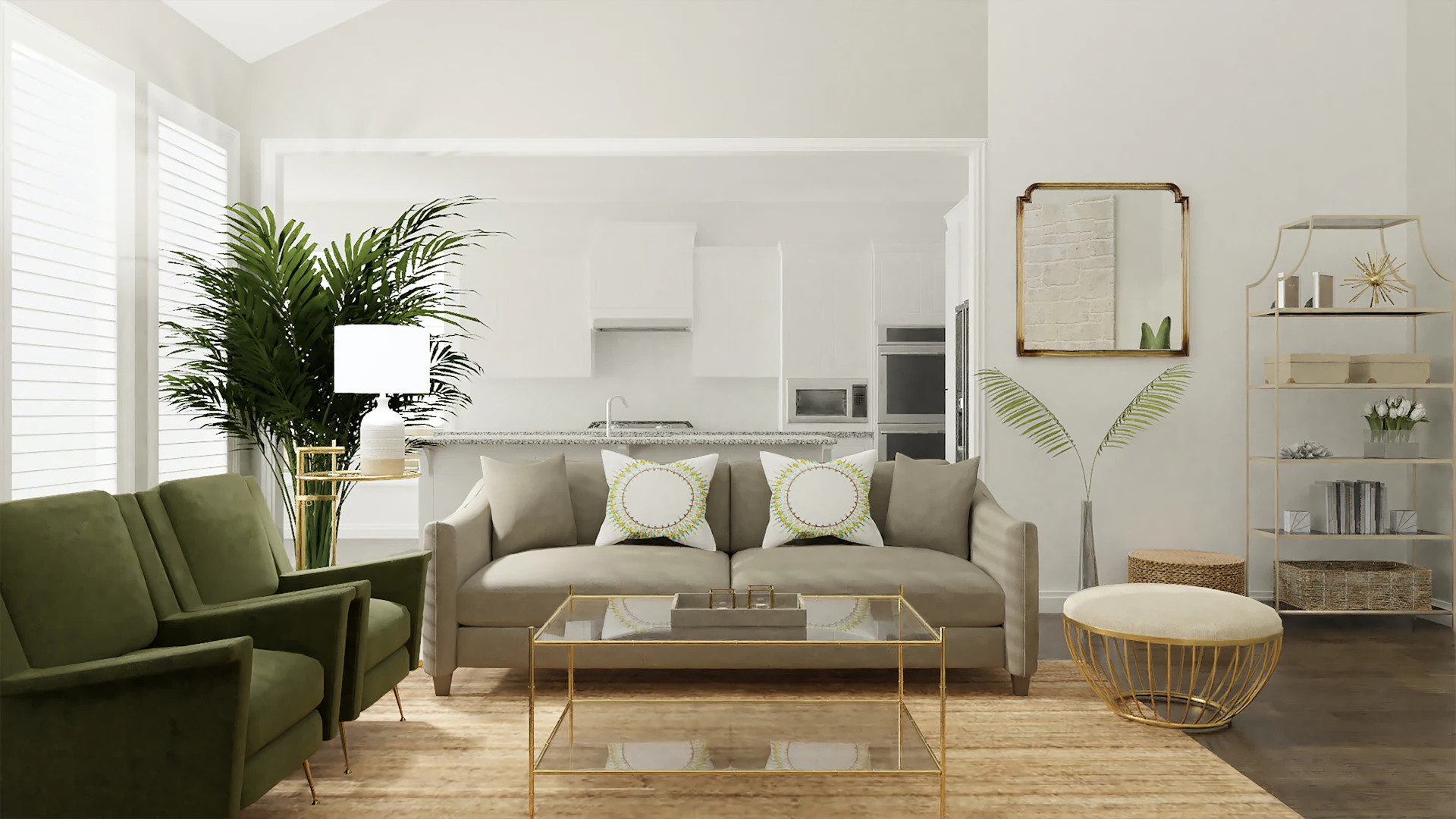
Two or three main tones and a single accent colour bring calm to a small space. Keeping large surfaces such as walls, cabinets and curtains in similar tones blurs the boundaries; colour and pattern can be left to small pieces like cushions, artwork or a single armchair.
6. Hang curtains from the ceiling
A short curtain that starts just above the window lowers the ceiling. Hanging curtains from the ceiling and, where possible, wall to wall makes both the ceiling height and the window look larger.
Light, textured fabrics that don’t block the light filter daylight into the room.
7. Put the mirror in the right place
The mirror is the oldest ally of a small space, but a randomly placed mirror only multiplies the clutter. A large mirror angled to reflect a window or a sunlit surface doubles both light and depth.
Final word
In small flats every decision affects the next: floor colour changes the light, light changes colour, and colour changes how furniture is perceived. That is why, instead of choosing beautiful pieces one by one, all decisions need to be made together on the same plan.